
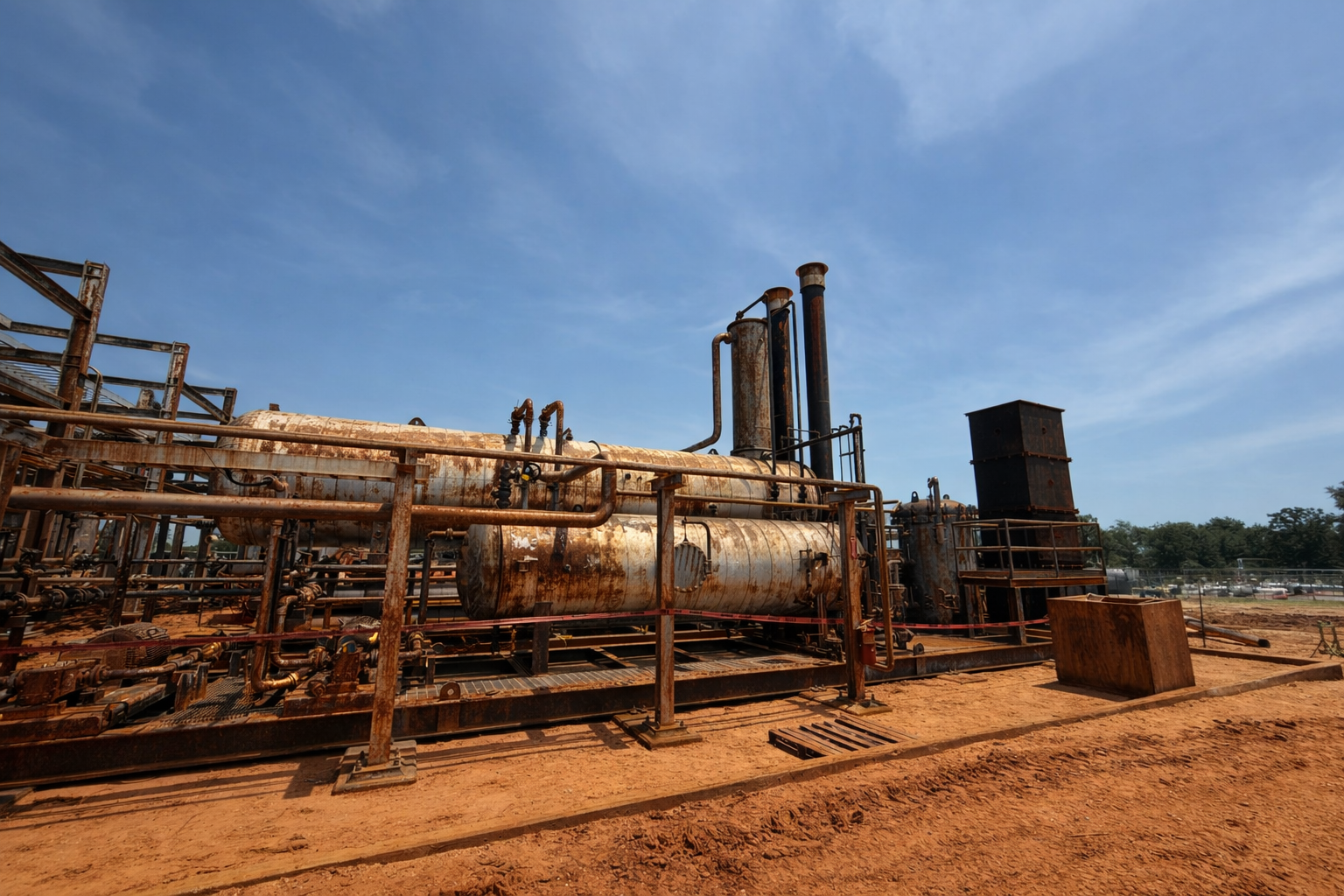
REFURBISHMENT OF EQUIPMENT
Refurbishment restores used industrial machinery to reliable, efficient working condition through a combination of cleaning, repair, and replacement of worn components.
It extends equipment life, improves safety, boosts performance, and reduces costs compared to purchasing new machinery. The process often includes partial or complete disassembly, functional testing, and cosmetic upgrades such as repainting. Refurbishment is especially valuable for large, complex, or mission‑critical machines where replacement is expensive or impractical.
KEY ASPECTS
Scope:
Refurbishment goes far beyond basic repair. It may involve full teardown, rebuilding major components such as gearboxes or feedscrews, upgrading controls or automation systems, and validating performance through factory‑level testing.
Benefits:
Significant cost savings compared to new equipment
Reduced downtime through proactive restoration
Improved operator safety
Enhanced efficiency and reliability
Extended service life of capital assets
Environmental benefits by reducing waste and avoiding new manufacturing
Process:
A typical refurbishment includes detailed inspection, deep cleaning, replacement of seals, bearings, and other worn parts, reassembly, repainting, calibration, and rigorous performance testing to ensure the machine meets or exceeds original specifications.
When to Refurbish:
Refurbishment is most advantageous for large, high‑value, or complex machinery where replacement costs are high. It may involve a full rebuilding or targeted restoration of specific components depending on the machine’s condition and operational needs.
GET IN TOUCH
Whether you have a project, question or an idea, feel free to reach out — we’re here to help.